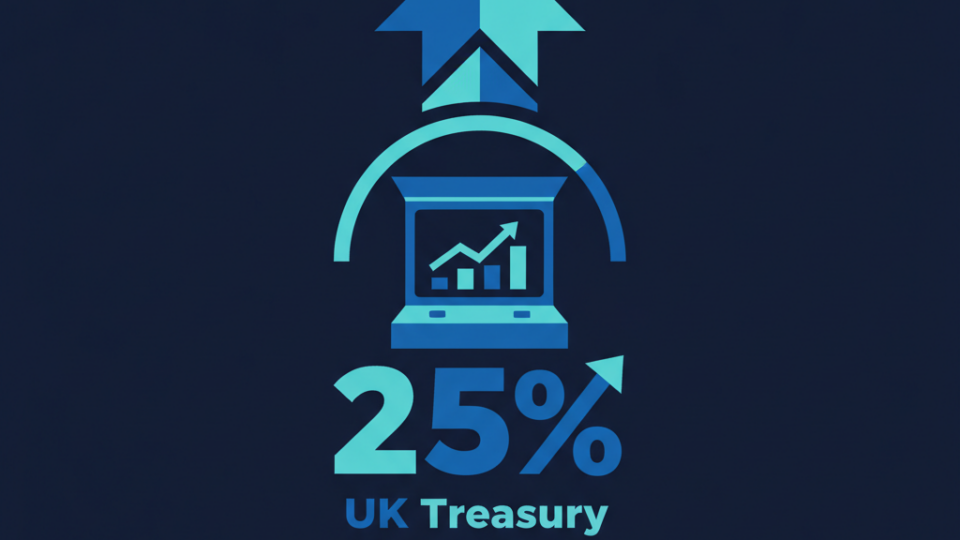
The Chancellor has raised the standard rate of Machine Games Duty (MGD) to 25 per cent, a five percentage point increase on the previous 20 per cent rate, with the change taking effect in April 2027.
The decision stops short of the 40 per cent machine tax rate that parts of the land-based sector had feared, and betting shops and casinos avoided that heavier outcome. Shares in Entain and Rank Group, both owners of large UK land-based gambling estates, rose by approximately 7 per cent following the announcement.
The Betting and Gaming Council (BGC) nonetheless expressed “deep disappointment and concern” at the move, pointing to costed modelling it commissioned from EY.
“This is a deeply damaging decision and a blow to the thousands of workers, businesses and communities who depend on Britain’s regulated betting and gaming industry,” said Grainne Hurst, Chief Executive of the BGC.
“The Chancellor has ignored repeated warnings about the consequences. At 25 per cent, EY modelling indicates almost 9,000 people could lose their jobs and almost 1,000 betting shops and casinos could close or be at serious risk,” Hurst said. The figures are the trade body’s own commissioned modelling rather than an independent or government assessment.
Hurst added that “every betting shop or casino closure means lost livelihoods, more empty premises and another huge blow to our high streets”, and argued that higher taxes on the licensed sector “will make the illegal gambling market more attractive to customers, where operators pay no UK tax, contribute nothing to British sport and offer none of the safeguards required of licensed businesses.”
Part of a wider duty package
The MGD change lands alongside other gambling tax rises already in train. Online remote gaming duty rose to 40 per cent in April 2026, and general betting duty is due to increase to 25 per cent in April 2027 — measures the BGC characterises as part of last year’s £1.7 billion tax raid on the industry.
The British Bingo Association questioned the rationale of raising the rate bingo clubs pay on their machines by a quarter, just six months after the Government abolished Bingo Duty in April.
“Bingo clubs cannot invest for the future when every Budget brings a fresh tax threat,” said Nicole Garrett, Chief Executive of the Bingo Association. “In April, the Government scrapped Bingo Duty and promised to back British bingo. Just six months later, it has clawed most of that support back and put hundreds of jobs at risk.”
Clarity, but pressure on margins
Payments and supplier-side voices framed the outcome as a manageable but meaningful cost increase. “A five point rise in machine games duty, from 20 per cent to 25 per cent, is clearly better than the 40 per cent some feared, and the sector will welcome the clarity,” said Steve Grech, Group CEO Europe at Trust Payments.
Grech predicted the increase would still bite for operators running on tight margins, warning that “tax will migrate to responsible, regulated online offerings”. He noted that businesses have a window before April 2027 to review pricing, machine mix and investment plans.
The racing sector also flagged knock-on effects. “Today’s rise in the standard rate of Machine Games Duty from 20 per cent to 25 per cent is smaller than the doubling some had called for, but it’s still a rise,” said Mark Renshaw, Chief Executive of Spotlight Sports Group, owner of the Racing Post. “Betting shops are an important part of how British horseracing is funded and followed, so every closure means less for the sport, and we’ll keep working with our partners to help shops modernise and stay open.”
This article was produced with AI assistance and reviewed under the GamblingZine editorial verification process.
Sources
- Chancellor’s gambling tax hike will cost thousands of jobs and devastate Britain’s high streets, warns BGC — Independent reporting (published 2026-10-28)
- g3newswire.com — Authoritative secondary source
- g3newswire.com — Authoritative secondary source
Reporting verified against the sources above; retrieval timestamps are preserved in the editorial record.